The iconic sandwich giant Subway is facing major changes across the United States as the company continues a large-scale restructuring of its restaurant footprint. While Subway opened hundreds of new stores in 2025, the company also closed nearly 729 locations, marking one of the biggest waves of closures in recent years.
The growing discussion around Subway closures, Subway restaurant shutdowns, and the future of the Subway sandwich chain is drawing national attention as consumers notice fewer locations across cities and towns nationwide.
Even though the company reported stronger profits in 2025, the decline in overall restaurant count signals a significant transformation inside one of the world’s most recognizable fast-food brands.
Subway Closures Reach Highest Levels in Years
According to recent reports, Subway closed approximately 729 restaurant locations during 2025 while opening nearly 500 new stores.
This means the company still experienced a substantial net decline in total locations, continuing a trend that has reshaped the Subway brand over the last several years.
The total number of Subway restaurants has now fallen below 19,000 locations in the United States, compared to more than 22,000 locations only a few years ago.
The decline highlights the company’s effort to modernize operations, reduce underperforming stores, and reposition the brand in a rapidly changing fast-food market.
Subway Restaurant Locations Continue to Shrink Across the U.S.
The ongoing Subway closures are affecting communities across multiple states, including Alabama, where the company still operates more than 200 locations.
Many customers who once found a Subway on nearly every major road are now seeing fewer stores in their neighborhoods. The closures represent a dramatic shift for a company that was once considered the fastest-growing franchise brand in the world.
At its peak, Subway expanded aggressively through franchising, often placing restaurants close to one another in malls, gas stations, Walmart stores, airports, and strip plazas.
That expansion strategy helped the company dominate the sandwich category for years, but it also created oversaturation in many markets.
Now, Subway appears focused on reducing weaker-performing stores while investing in modernized and higher-performing locations.
Temporary Subway Closures Add to Industry Concerns
In addition to permanent shutdowns, reports indicate that hundreds of Subway stores were temporarily closed during late 2025.
As many as 800 locations were listed as temporarily closed in December, although many of those stores are expected to reopen.
This created additional concern among customers and franchise operators, especially as the restaurant industry continues dealing with:
- Inflation
- Higher labor costs
- Increased food prices
- Lower customer traffic
- Rising operational expenses
The temporary closures added to speculation about the long-term stability of certain Subway franchise locations.
Subway Profit Rises Despite Restaurant Closures
One of the most surprising developments is that Subway’s profits actually increased despite the large number of store closures.
According to financial reports, Subway generated approximately $688 million in net income during 2025. That was significantly higher than:
- $397 million in 2024
- $15 million in 2023
This sharp increase in profitability suggests that the company’s restructuring strategy may be improving operational efficiency even as the total number of stores declines.
However, not all financial indicators moved upward.
Subway franchise revenue reportedly fell more than 6% to around $767 million, showing that while profitability improved, overall revenue growth remains under pressure.
Why Subway Is Closing So Many Restaurants
Several factors are contributing to the ongoing Subway restaurant closures across America.
Oversaturation of Locations
For decades, Subway expanded faster than almost any other fast-food chain. In many cities, multiple Subway stores operated within short distances of one another.
This saturation eventually created internal competition among franchisees, reducing profitability for many individual store owners.
Changing Consumer Preferences
Fast-food consumers today increasingly demand:
- Higher-quality ingredients
- Better dining experiences
- Faster digital ordering systems
- Delivery integration
- Premium menu options
Chains like Jersey Mike’s Subs and Jimmy John’s have intensified competition in the sandwich market.
Subway has responded by redesigning restaurants, updating menus, and launching new marketing campaigns, but the competitive landscape remains intense.
Rising Operating Costs
Like many restaurant chains, Subway franchise operators continue facing:
- Higher wages
- Increased rent costs
- More expensive ingredients
- Utility bill increases
- Supply chain disruptions
Some franchisees have struggled to maintain profitability under these conditions, leading to closures.
Subway’s History: From Pete’s Super Submarine Sandwiches to Global Giant
Subway was founded in 1965 by Fred DeLuca and Peter Buck under the original name “Pete’s Super Submarine Sandwiches.”
The company was renamed Subway in 1972 and rapidly expanded into one of the largest fast-food franchises in the world.
By 2015, Subway had become the fastest-growing franchise globally, with tens of thousands of restaurants operating internationally.
Its low startup costs and franchise-friendly expansion model helped fuel explosive growth for decades.
However, the same aggressive expansion strategy later contributed to oversupply and declining store performance in some regions.
Subway Modernization Strategy Continues
Despite the closures, Subway is not disappearing. Instead, the company appears focused on reshaping its business model.
The chain continues investing in:
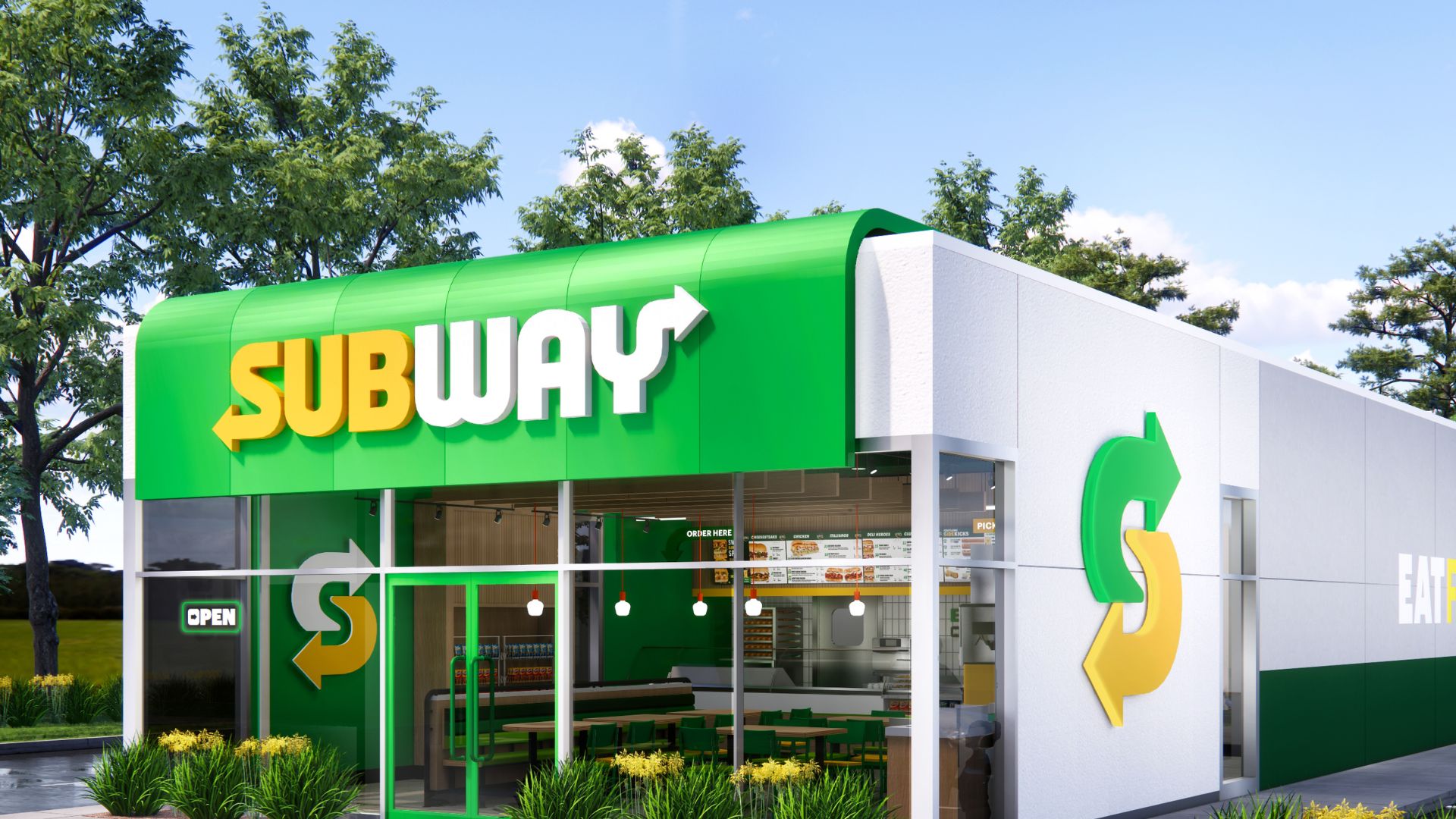
- New restaurant designs
- Digital ordering technology
- Delivery partnerships
- Updated menu items
- International expansion
- Higher-performing franchise locations
Interestingly, reports indicate that more than half of the Subway locations opened in 2025 were previously closed units that were renovated and reopened.
This suggests the company is prioritizing quality and efficiency over simply maximizing the number of stores.
Fast Food Industry Pressure Hits Subway and Other Chains
The challenges facing Subway reflect broader issues across the restaurant industry.
Fast-food chains nationwide are dealing with:
- Consumer spending slowdowns
- Inflation pressure
- Staffing shortages
- Increased competition
- Delivery app commission costs
- Higher real estate expenses
Even large brands with strong recognition are being forced to rethink expansion strategies and optimize underperforming locations.
For Subway, this means balancing profitability with maintaining a strong national presence.
What Comes Next for Subway?
The future of Subway will likely depend on whether its modernization efforts successfully attract younger consumers and improve franchise profitability.
Although the company continues closing stores, rising profits suggest management believes a smaller but more efficient restaurant network could strengthen the brand long term.
Still, continued Subway closures, declining total store counts, and reduced franchise revenue show that the company remains in the middle of a major transition period.
For customers, the Subway experience may increasingly shift toward newer, redesigned restaurants rather than the massive store density that once defined the brand.
The wave of Subway restaurant closures across the United States marks one of the most significant restructuring periods in the company’s history.
While profits have improved sharply, the company is reducing its physical footprint after years of aggressive expansion. The result is a smaller but potentially more profitable version of the iconic sandwich chain.
As the fast-food industry continues evolving, Subway is attempting to reinvent itself for a new generation of consumers while navigating rising costs, changing tastes, and increasing competition in the sandwich market.